
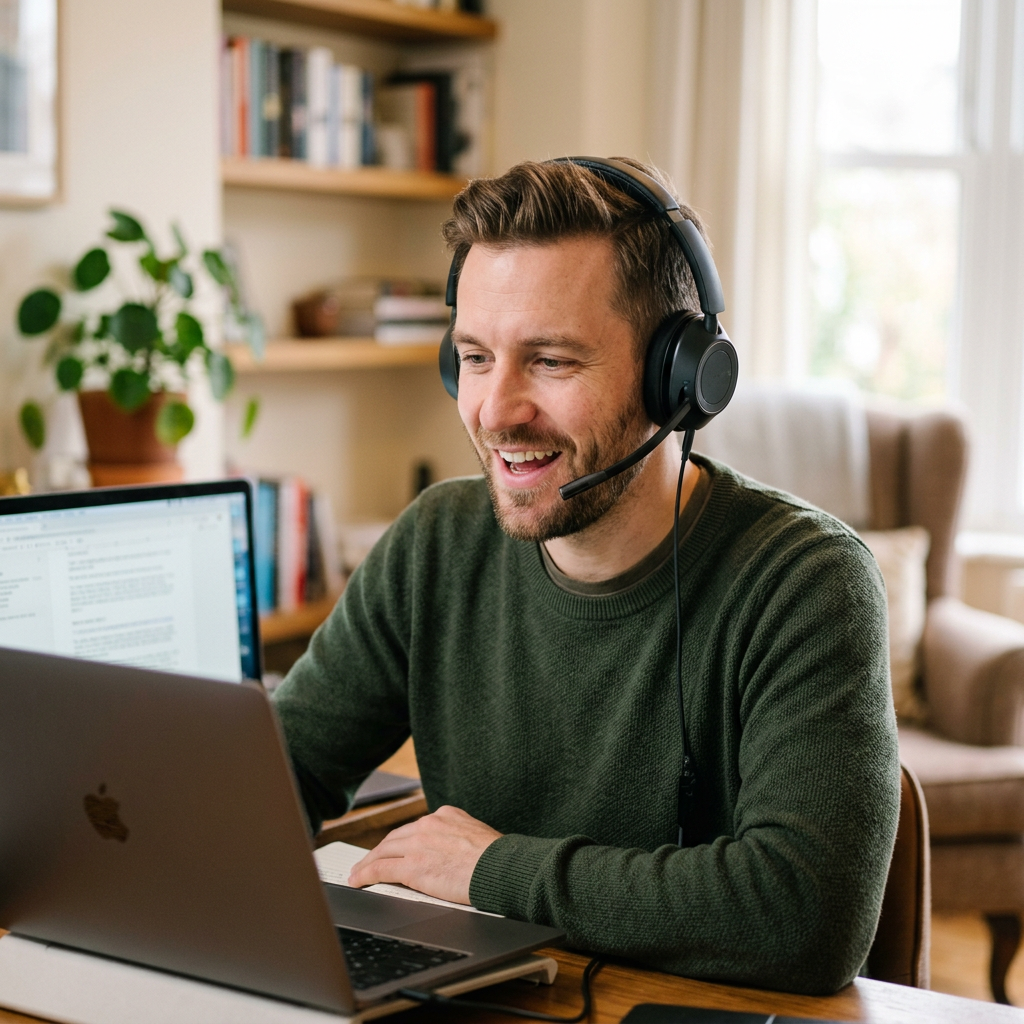
Read words aloud
Through the microphone
Real words and invented words, one after another, against a short timer. Dys measures how they are read out loud, not how someone says they read.
For children, with a parent beside them, and for adults on their own. Done at home in one evening, in French or English, and turned into a report a professional can use.
Before you spend: what an assessment costs in France, Belgium, the UK and the US.
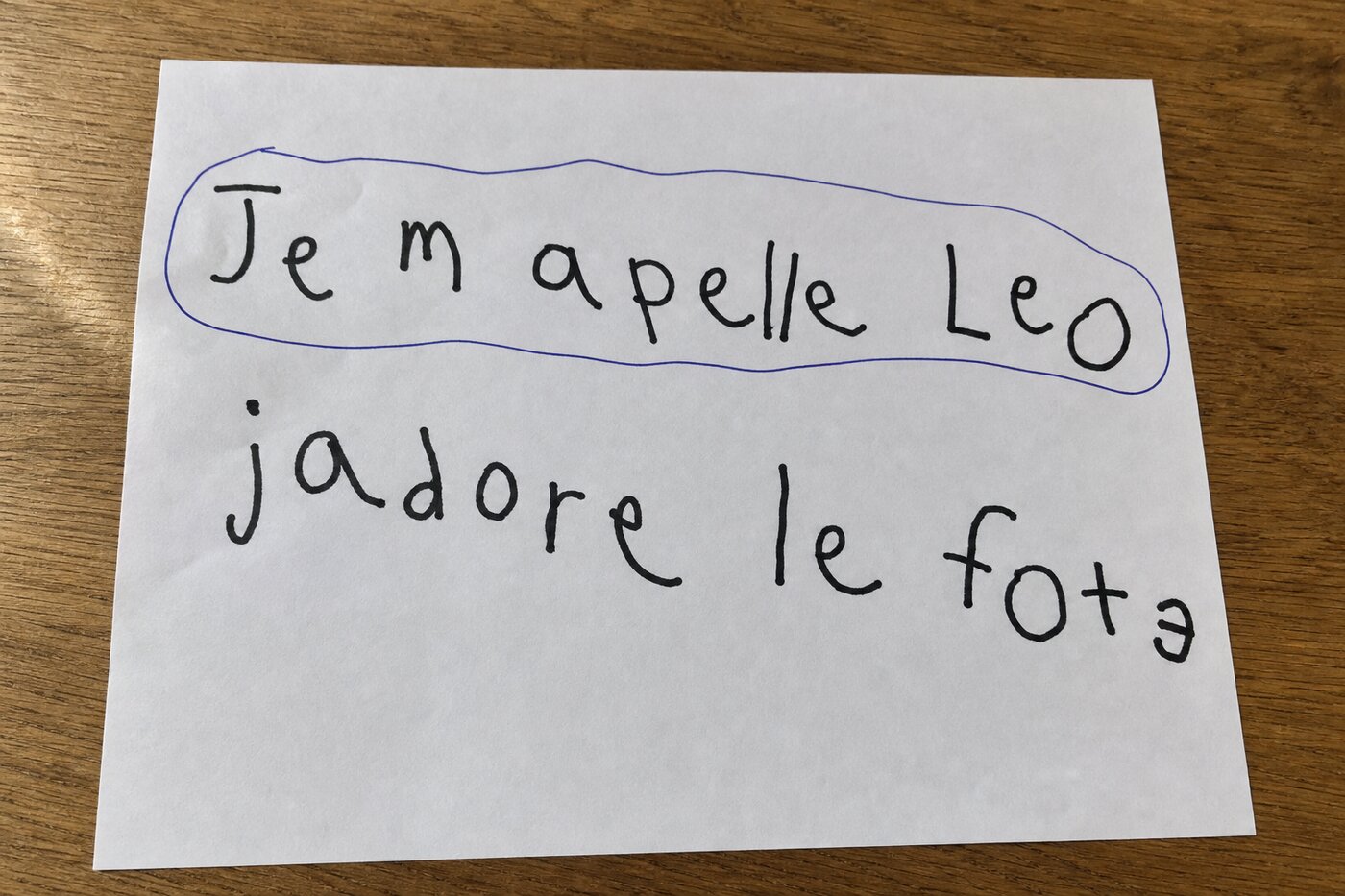
Read each word out loud, left to right, as clearly as you can. Half of them are real words and half are invented. Say the invented ones the way they look.
This is a sample. Nothing is recorded on this page.
“Before you spend” needs numbers. This is the typical private cost of a dyslexia assessment for a child, in the countries Dys serves.
| Country | Typical private cost | What that means |
|---|---|---|
| France | 90–800 EUR | An orthophoniste bilan costs 88–104 EUR with a prescription, but the wait runs 6 to 18 months. A private neuropsychologist charges 200–800 EUR. |
| Belgium | 50–300 EUR | A logopède bilan is largely reimbursed by the mutuelle. A private neuropsychologist charges about 190–265 EUR. |
| United Kingdom | £400–£900 | British Dyslexia Association assessors charge £690–£882. Independent assessors start near £350. |
| United States | $1,500–$5,000 | A full psycho-educational or neuropsychological evaluation, rarely covered by insurance. |
| Dys | Free, then 29 EUR | The test and the result overview are free. The detailed report is 29 EUR, once. |
Sources checked 12 October 2026: the British Dyslexia Association’s price page, clinic price pages in the United States, and French and Belgian reimbursement guides. Public paths exist, such as an orthophoniste with a prescription in France; they cost less and take longer.
Anyone takes the full test and sees a free overview of the result. The detailed report is a one-time purchase through Stripe hosted checkout, unlocked instantly and emailed as a link. Try the sample above before you spend anything.
29 EUR
for the detailed report, once
Through the microphone
Real words and invented words, one after another, against a short timer. Dys measures how they are read out loud, not how someone says they read.
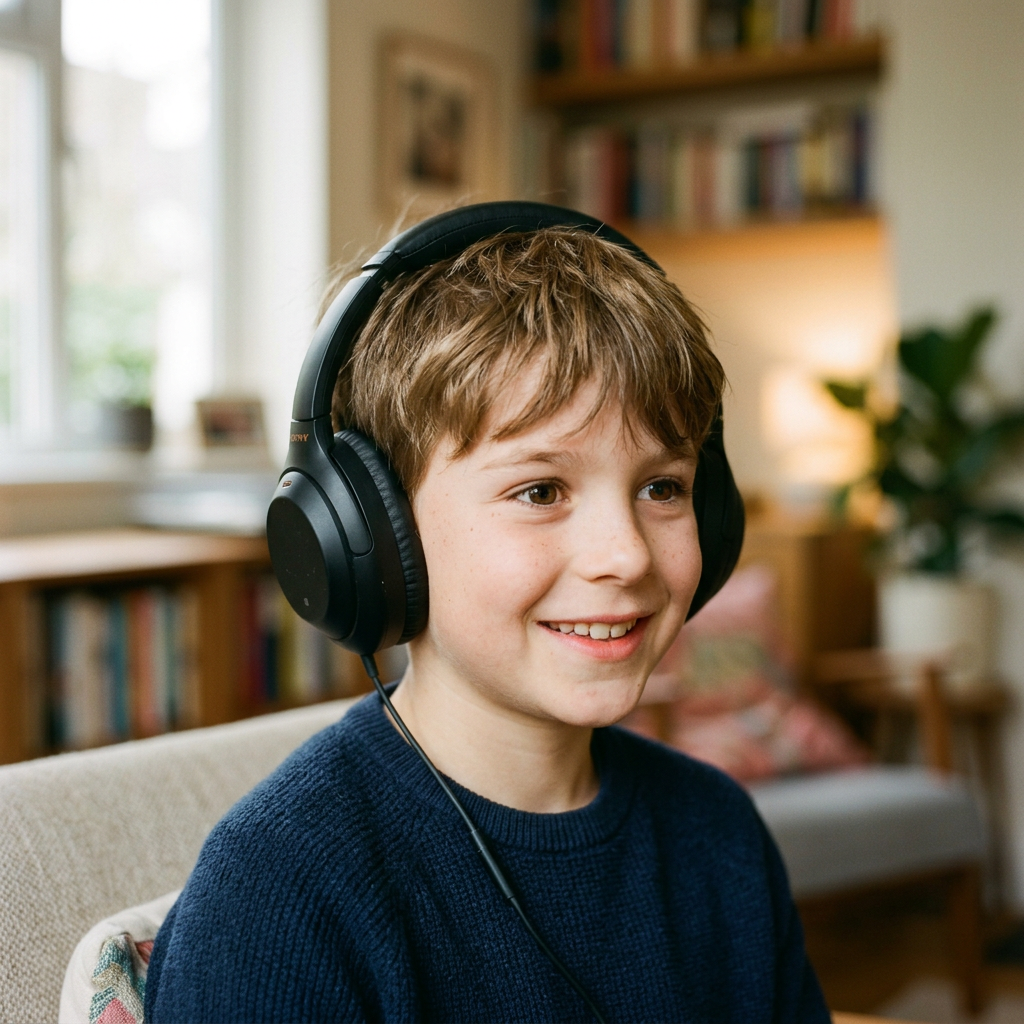
Listen and answer
Short games on the sounds inside words and on how words split into syllables.
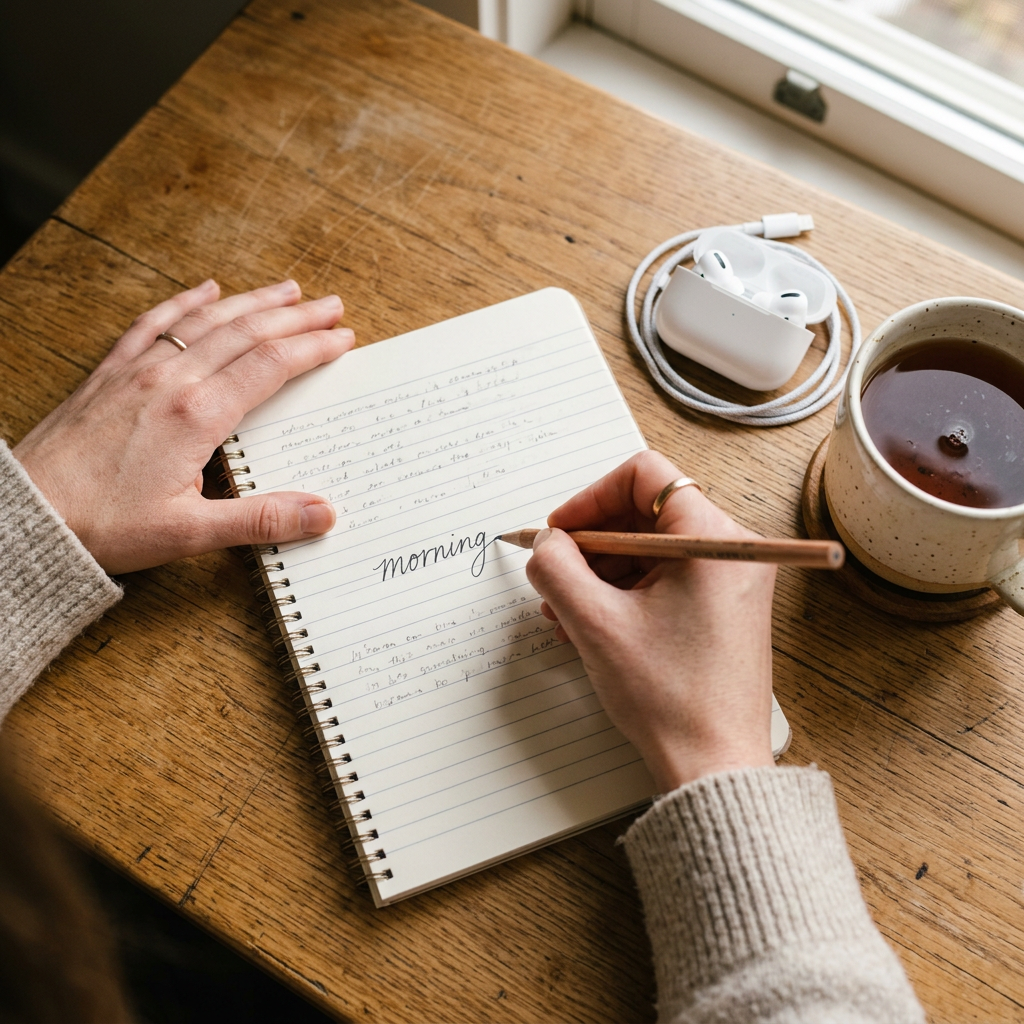
Listen, then spell
A word is read out and spelled by the person taking the test, timed like the rest.

Timed
A short text read at a natural pace, with the time it takes measured.
A history questionnaire comes with the tasks. Children take the test with a parent, adults take it alone, in French or English.
Step 1
One evening, a quiet room. A child sits with a parent; an adult sits alone.
Step 2
Short timed tasks and a history questionnaire, in French or English.
Step 3
The detailed report is unlocked instantly and emailed as a link.
No. Dys does not give one. It measures how a child or adult reads and spells, and puts the result in a report a professional can use.
The test is free, and so is the overview of the result. The detailed report is a one-time purchase of 29 EUR through Stripe hosted checkout, unlocked instantly and emailed as a link.
At home, in one evening. The tasks are short and timed.
Children, who take it with a parent, and adults, who take it alone. Both can do it in French or English.
Reading real words and invented words aloud is one of the tasks. Dys uses the microphone to measure how they are read.